Jonesboro Mulching: Forestry Mulching and Land Clearing in Jonesboro, AR
Jonesboro Mulching is a forestry mulching and land clearing contractor licensed and insured in Arkansas, working ridge timber and delta farm ground across Craighead County and northeast Arkansas. We handle forestry mulching, land clearing, brush and cedar removal, pasture reclamation and fence line clearing, lot and site prep clearing, hunting land, trails and food plots, bush hogging and rough-cut mowing, and stump grinding. Our customers farm row crop ground, hold duck and deer leases, run cattle on small pasture, and build houses on wooded ridge lots in Craighead, Greene, Lawrence, Poinsett, and Mississippi counties.
Our head is an FAE or a Loftness Battle Ax drum, and it turns on a high-flow track loader in the Takeuchi and Bobcat class. Rows of carbide teeth cut a standing stem and drop it as chips at the base of where it grew. One machine goes over the ground one time. Nothing gets stacked, nothing gets lit, and no truck leaves your place loaded. The root network stays in the dirt, which matters more on Crowley's Ridge than almost anywhere, because loess washes the minute it goes bare. A blade works the opposite way. It shoves the tree over by the root ball, peels your topsoil off with the brush, and leaves you a pile at the turn row and a hole at every stump.
Call for a Free Estimate- Licensed and insured in AR
- FAE and Loftness drum heads on high-flow track loaders
- Ridge timber and delta field edges both
- No burn piles, no haul off, no root ball craters
- Craighead, Greene, Lawrence, Poinsett, Mississippi counties
Forestry Mulching
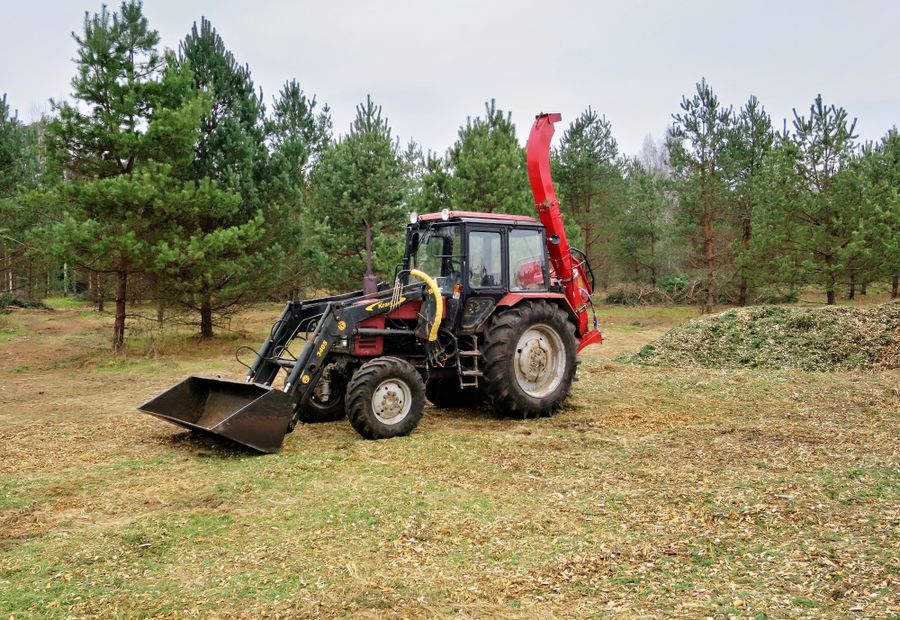
A mulcher is a forestry service machine with one trick. The drum spins, the teeth take the stem, and the wood comes out the bottom as chip. There is no felling crew. There is no skidder. There is no loader waiting at the road.
Stems to six or eight inches across are all-day work for a high-flow head. Thicker wood comes out one stem at a time and shows up on the invoice. Past a foot across you own timber, not brush, and timber can pay you rather than cost you. We say which one is standing on your tract before we put a number on it. More on forestry mulching.
Land Clearing
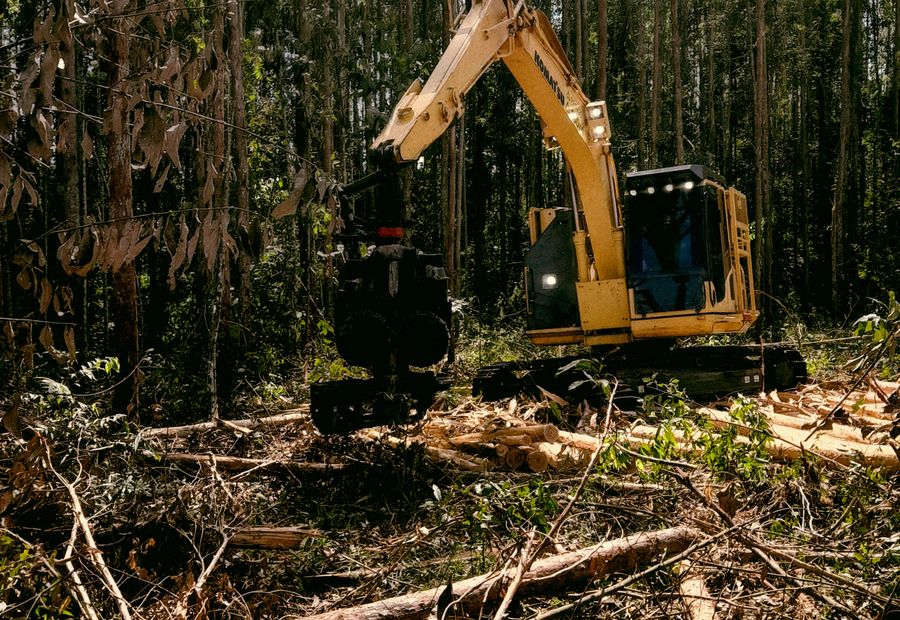
Land clearing names the outcome. Mulching is one road to it. An excavator gets there by pulling roots out of the dirt, and that is correct when a spec calls for the root zone gone. For grown-up acreage, ditch banks, and field edges, a head on tracks finishes faster and leaves the ground in better shape.
Burning is the part that costs you time here. Arkansas holds land clearing fires to daytime hours and to days the air is damp enough. Craighead County drops a ban when the wind gets up and it stays on until the sheriff lifts it. Mulching creates no pile, so a ban never touches your start date. More on land clearing.
Brush and Cedar Removal
Redcedar and honey locust are the two that walk into idle ground here. Both come up in a cut field, a fencerow, or a roadside within a few years of the mower stopping. Cut a cedar at the dirt and it is done, because cedar puts up nothing from the stump. Locust does. So do blackberry, sumac, sweetgum, and privet.
Chinese privet is the delta problem nobody warns you about. It thickens along bottomland edges and fencerows until you cannot see through it, and it comes back from the roots every time. We grind it, then we tell you when to plan the second pass. Selective work is the other half of this job: take the privet and the cedar out from under a beech and leave the beech alone. More on brush and cedar removal.

Pasture Reclamation and Fence Lines
Most of our fencerow work sits on row crop farms rather than cattle pasture. A grown-up line costs a farmer twice: the combine gives up a pass along the edge, and the brush shades the ditch until the water quits moving. We clear a line to whatever width the equipment needs and leave the wire standing.
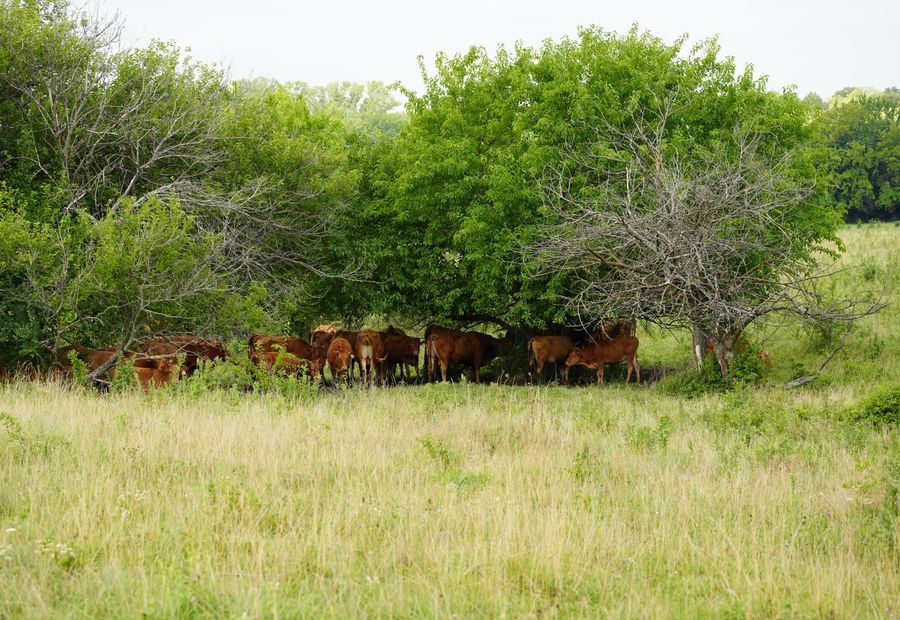
Small pasture gets the same treatment. Brush comes out of the corners, the sod that is still good stays untouched, and the chip layer holds soil moisture into August while seed takes. We open water gaps, pond approaches, and gate throats while the machine is already on the place. More on pasture reclamation.
Lot and Site Prep Clearing
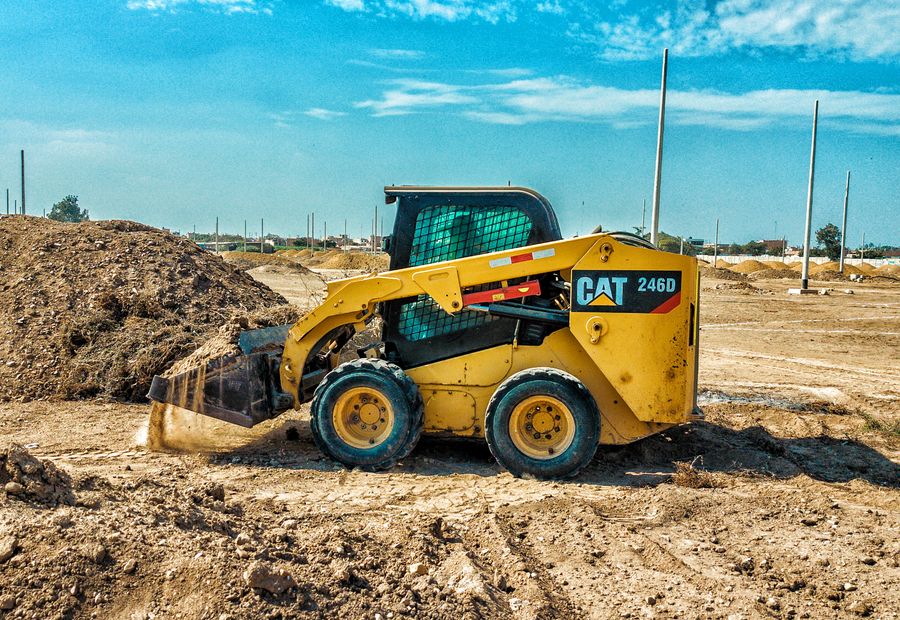
Ridge lots around Jonesboro, Brookland, and Bono sell wooded and on a grade. A builder wants the footprint open, a driveway corridor a concrete truck can turn in, and a way through to the septic field and the utility run. A mulcher does those three in a day or two and hands back a lot you can walk instead of a lot you have to climb over.
Then the limit, plainly. Mulching is phase one. An excavating contractor grubs the root zone out of the pad and compacts fill in lifts, and that is phase two. Disturb an acre or more for construction and the state stormwater rules apply, which is your builder's plan to carry. We mark pins and setbacks before anything spins. More on lot and site prep clearing.

Hunting Land, Trails and Food Plots
Duck ground drives half the calls we take in this county. Clubs along the Sunken Lands want boat lanes opened, walk-in trails cut through the buttonbush and privet, and blind approaches cleared without knocking down the timber that holds the birds. Chips lie flat in water ground. A brush pile floats and moves.
Deer work runs the same machine. We cut shooting lanes, open food plots, feather an edge so cover steps down instead of stopping dead, and leave the mast trees standing. Dormant season is the calendar. Get the work done and the ground has a full growing season to answer before anybody climbs a stand. More on hunting land and trails.
Bush Hogging and Rough-Cut Mowing
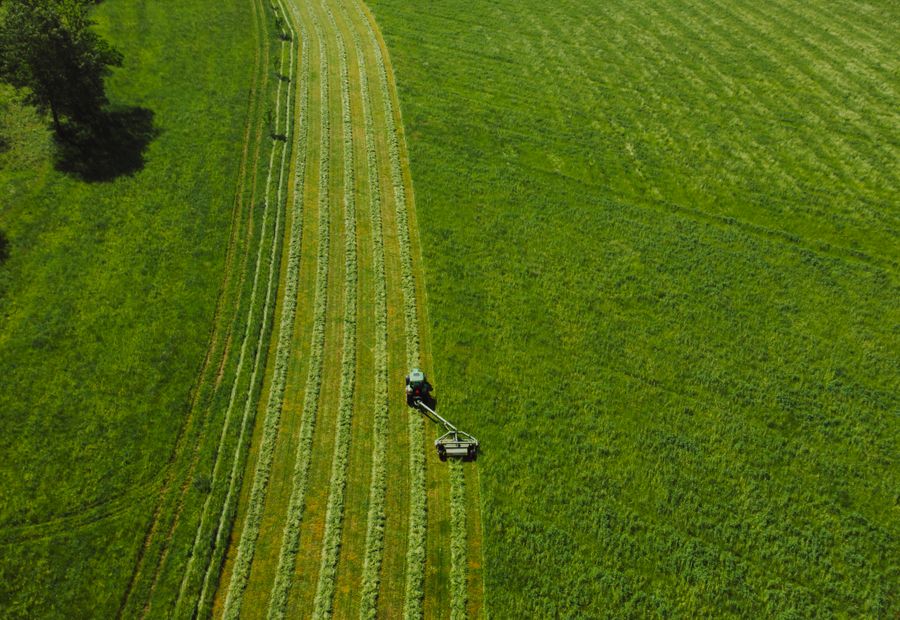
A rotary cutter is the cheaper tool and sometimes the right one. It takes tall grass, weeds, and saplings under about an inch for a fraction of what a mulching head costs per acre. Feed it anything thicker and you are punishing a gearbox, not clearing a field.
The two machines pair up. Mulching resets a field that went to brush. A rough cut every year or two keeps that reset from undoing itself. We also mow turn rows, levee tops, easements, and ditch banks, and we hold an acreage minimum because a tractor costs the same to haul either way. More on bush hogging and rough-cut mowing.
Stump Grinding
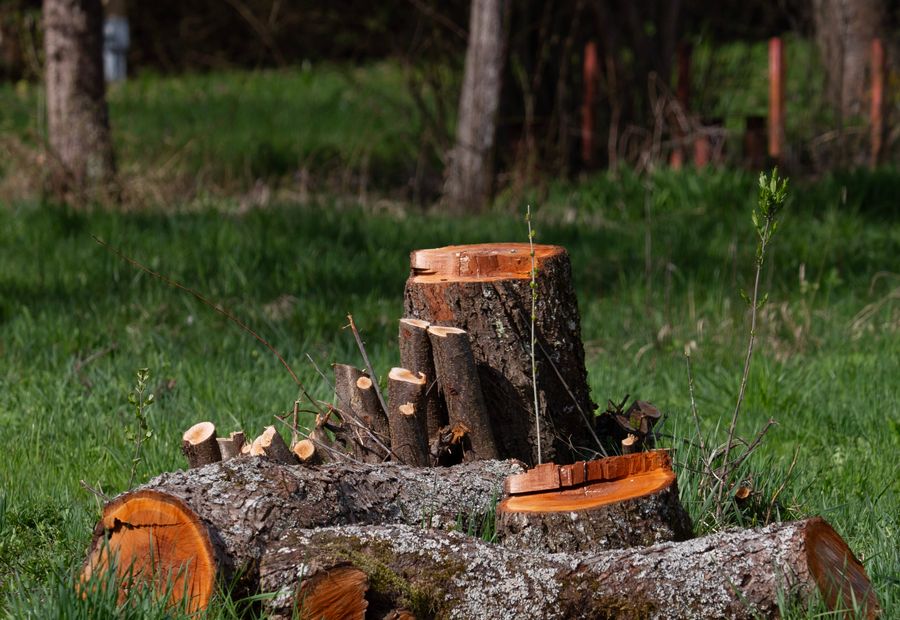
Grinding a stump out is not a mulching head's job. Some heads work an inch or two under grade, and that is where they stop. Getting a stump out properly takes a different tool on a different trip, and any excavating contractor in this county will say the same.
End use sets the depth. Grind enough to mow and seed over for a yard. Grind deeper to set a post beside it on a fence line. A pad needs the root zone gone entirely, which is grubbing. One stump makes more chip than people expect, so we either fill the hole with it or rake it out, and we run the surface roots that catch a mower deck. More on stump grinding.
Why NEA Landowners Call Us
- Two kinds of ground, one machine. Hardwood on the loess ridge and brushed-in field edges down in the flat. A tracked carrier handles both. The forestry mulching page is where to begin.
- Loess does not forgive a bare slope. The soil capping Crowley's Ridge is windblown and deep, and it moves in the first hard rain once nothing holds it. Cutting at grade leaves the root mat gripping the hill and a chip layer breaking the raindrops.
- We tell you which head is coming. A drum cuts from any angle and leaves a fine, even chip, which is what mixed hardwood wants. A disc takes a bigger stem faster and leaves it rough. That is production against finish, and you get to pick.
- Ground pressure, not horsepower. Wide rubber tracks spread the weight across a big footprint, which is how a carrier crosses a soft draw and leaves a print instead of a trench. See pasture reclamation.
- Nothing burns and nothing hauls. A burn ban in Craighead County can hold a debris pile for weeks. We never make one. Read the land clearing page for how that changes a schedule.
- You hear the limits first. Timber, rock, below-grade stumps, and a grubbed pad all sit outside what a head does. We name the right machine even when it is not ours. That talk starts on lot and site prep.
How Forestry Mulching Actually Works
Most clearing websites list services and stop. Here is what the machine does to your dirt.
The Head
A drum head is a rotating barrel wearing rows of carbide teeth. It bites on contact from any angle, keeps the material trapped against the housing until it is fine, and puts down an even chip. Mixed hardwood and finish work want that head. A disc head is a heavy plate with blades on its rim. It eats a larger stem quicker and leaves the result coarse. Teeth are wear parts. They dull, they get rotated, they get replaced.
The Carrier
Hydraulic flow runs a head, not engine horsepower. Put a full-size head on a standard flow skid steer and it turns slowly and stalls in real brush. The working machines on acreage are high-flow tracked loaders in the ninety to one hundred thirty horsepower range. Rubber tracks put down a fraction of the ground pressure a tire does, and that single fact is why a mulcher goes places a wheeled machine cannot.
How Big a Tree
Six to eight inches across is steady production. Ten inches is one stem at a time. Twelve and up is timber, and timber wants a log truck and a check written to you. Tell us whether the biggest stems are wrist thick or thigh thick and we will price the right method.
Does It Grow Back
Part of it comes back. A chip layer shades light seed for a season and no more. Roots underneath it live right through that. Cedar is finished when it is cut. Locust, privet, blackberry, sumac, sweetgum, and persimmon all push new stems from the roots, usually in year one or year two. Budget a maintenance pass or a spot treatment on the sprouts from the beginning instead of finding out later.
What Mulching Is Not For
Below-grade stumps. Grubbing a house pad or a shop pad, where the spec wants the root zone removed and engineered fill compacted in lifts. Standing timber. Rock. On a pad job the mulcher is phase one and an excavator is phase two, and both belong in the number you budget.
Wet Ground
This is the delta, so say it straight: water stops this work, not cold. Saturated gumbo takes track damage that stays in the field for years, and no chip layer covers a rut. A week of hard rain moves your start date. Ground inside the Sunken Lands and along the St. Francis holds water long after the rain quits, and we schedule those tracts when they are firm. We would rather push a date than scar your field.
How a Job Runs
Walk the Ground
Somebody walks the tract with you, reads stem size and density, checks the low spots, and finds a gate the trailer fits through. Pins get marked. Acres and price go in writing.
Mark the Keepers
Point out what stays. Oaks and hickories holding mast, a beech on the slope, a wet draw, a tile outlet. We flag them first, because taking one species and leaving another is the whole reason this machine exists.
Cut and Chip
The head takes standing material down to chip. The operator works a pattern that avoids tracking the same dirt twice. Nothing gets windrowed, nothing gets lit, and nothing rides out on a trailer.
Finish the Lines
Fencerows get cut square to width. Ditch banks get opened so water moves. Trails and boat lanes get cleared to the height a side-by-side or a mud motor needs. Chips get spread flat.
Walk It Again
We go back over the tract with you before the trailer loads out. Then you hear when the sprouters are likely to show and what a maintenance pass costs if you want it booked.
What Land Clearing Costs Around Jonesboro
This work prices by the acre or by the day, and density decides where you land in the range. Inside that range, the movers are stem size, stem count, how wet the ground sits, how far the machine travels, and whether grading follows the clearing. A project minimum applies, because hauling a machine out to Caraway costs what it costs regardless of how small the job is.
| Work | Typical Range | Notes |
|---|---|---|
| Light brush and saplings, per acre | $1,500 - $2,200 | Idle field or open understory. Usually a few hours per acre |
| Mixed brush and small trees, per acre | $2,200 - $3,000 | Stems to six inches. Figure most of a day per acre |
| Heavy wooded acreage, per acre | $3,000 - $4,500 | Thick ridge hardwood or bottomland. Longer than a day per acre |
| Day rate, machine and operator | $1,600 - $2,400 | Fits mixed tasks, trails, and odd-shaped tracts |
| Fencerow, ditch bank, and lane clearing | $2 - $6 per foot | Width and stem size set it. Quoted by the running foot |
| Bush hogging, rough-cut | $70 - $150 per acre | Grass and saplings under an inch. Acreage minimum applies |
| Stump grinding, per stump | $150 - $450 | Diameter and depth set it. A lot full prices as a lot |
| Project minimum | $2,500 | Covers hauling the machine to the property and back |
A single fencerow or one boat lane lands near the minimum. Forty acres of ridge hardwood runs into five figures, because acres are acres. Density beats size when setting a price, so ten open delta acres can cost less than four acres of young sweetgum thicket.
What moves the price:
- Stem size and how many stems stand per acre
- Slope on ridge ground, and whether the carrier holds it safely
- Soil moisture, since saturated delta ground moves the date
- Access for a truck and trailer, including gate width and turn row condition
- Selective work around keeper trees, which runs slower than open clearing
- Travel out to Walnut Ridge, Monette, or Caraway
- Whether grubbing, grading, or a pad follows the mulching
Frequently Asked Questions
How much do forestry mulchers charge per hour?
Almost nobody quotes an hour. Jobs price by the project or the acre, with a day rate as the third choice, and a minimum covers getting the machine to you. Hourly figures on the internet are written by people who have never seen your tract. Stem size, stem density, ground condition, and travel distance are what actually set a number.
How long does it take to mulch 1 acre?
Density answers that, not a clock. A light acre of saplings and briar runs a few hours. Mixed brush with stems to half a foot takes most of a day. An acre of thick timbered ground runs past a day on its own. An operator standing on the ground gives you a real number in ten minutes.
What is the difference between land clearing and forestry mulching?
Clearing is the result you want. Mulching is one of the ways to get it. A dozer or an excavator clears by moving soil and roots, which leaves a debris pile and a crater where every root ball came out. A mulcher grinds standing material and leaves chip. The dozer is the right pick when the job is a building pad that has to be grubbed and filled.
Do you need a permit for forestry mulching in Arkansas?
Brush work on your own rural acreage generally needs no state permit. Disturb an acre or more for construction and the site falls under state stormwater rules, and your builder carries that plan. Burning is the piece that needs permission: Arkansas limits land clearing fires to daytime hours and to days with enough humidity, and a local permit may be required. Check with the county and check whether a ban is on. A mulched tract gives a fire nothing to take.
How big a tree can a mulcher cut?
Six to eight inches across is normal production. Bigger stems come out slower and each one adds to the price. Above roughly a foot the material is timber, and a timber sale can put money in your hand instead of taking it. Ask before you pay anybody to grind good wood.
How much to clear 1 acre of heavily wooded land?
Heavy wooded ground here generally runs three thousand to forty five hundred dollars an acre, against a project minimum of twenty five hundred. Stem size and count move it first. After that it is slope, wet ground, machine access, and whether a grade or a pad follows. We price your acre, not an average one.
Will the brush grow back?
Some of it, yes. Cedar cut at the dirt is finished and will not sprout from the stump. Locust, privet, blackberry, sumac, sweetgum, and persimmon all come back from the roots. A chip layer holds light seed down for about a season. Plan a maintenance pass in year one or two, or a spot treatment on the sprouts, and the ground stays open.
Do you haul off the debris?
There is nothing to haul. The wood is already on the ground as chip, spread where it grew. That layer takes the punch out of rain, slows runoff on a loess slope, holds moisture through a dry stretch, and rots into the soil. It costs you nothing extra and every job gets it.
Can you clear and leave my good trees standing?
Yes, and it is the feature most landowners do not know to ask for. An operator takes the privet and cedar out from under an oak and leaves the oak. He cuts a lane and keeps the mast trees on both sides. He clears an understory and leaves the canopy over it. Come walk the tract with us and point out the keepers.
What about duck ground and flooded timber?
We work it when it is dry and firm, which usually means late winter into spring after the water pulls back. Boat lanes, walk-in trails, and blind approaches all cut well. Chip lies flat and stays put when the water comes back, and a brush pile does not. We will not run a machine through standing water or saturated bottom.
Can you work in winter?
Winter is often the best season for it. With the leaves down an operator sees the dirt, the fall of the land, and where your lines run. Dead-dry dormant wood snaps and feeds through quicker. Firm ground carries the machine without rutting. Cold is never the problem in northeast Arkansas. Water is.
What if the field is too wet to run?
The job waits. Saturated delta soil takes track damage that lasts years, and we will not trade your field for a start date. We book all twelve months and we schedule around the weather rather than promising through it.
Can you take stumps out on the same trip?
Only as its own line on the quote. A mulching head works at grade and barely under it. Removing a stump below grade takes a separate machine and a separate visit, and how deep we go depends on whether you plan to mow it, fence beside it, or pour over it.
Are you licensed and insured?
Yes. Arkansas contractor licensing and liability insurance, both current. Arkansas requires a license once a residential job passes a fairly low dollar figure, and nearly all clearing work sits above that line. You get a written estimate with acreage, method, and price before a trailer leaves the yard.
The Ridge and the Delta: Two Kinds of Ground in One County
Crowley's Ridge runs north and south straight through Jonesboro. Locals call it the Ridge. It is the only high ground for a long way in any direction, and it stands well above flat farm country on both sides. Wind piled loess on top of it, deep in places, and that soil grows a forest that looks wrong for east Arkansas: oak and hickory mixed with American beech, sugar maple, and tuliptree. Walk it and you would guess Appalachia, not the delta.
Loess is the reason mulching wins on the Ridge. It is fine, it is soft, and it washes fast once nothing covers it. Scrape a loess slope bare with a blade and the first heavy rain moves it downhill and into your ditch. Cut the same slope at grade with a head and the root network stays in place, the chip layer breaks the raindrops, and the hill sits still. That difference shows up in one storm, not in five years.
Step off either side of the Ridge and the county changes completely. The ground goes flat and stays flat. This is the St. Francis Lowlands, row crop country: soybeans and cotton first, then rice and corn, with irrigation on most of it. The clearing work down here is not lots and driveways. It is fencerows, turn rows, ditch banks, and field edges, plus keeping access open to wells, pivots, and levees. A farmer wants brush off his ditch so the water moves and off his edge so the equipment gets a full pass.
Then there is the hunting ground, and around here that means duck. The St. Francis Sunken Lands sit south and east of town, thirty thousand acres of bottomland hardwood that dropped when the New Madrid earthquakes shook this country apart. Oak, cypress, and ash stand in seasonal water. Clubs and private tracts ring it from Trumann around through Caraway and Monette on Buffalo Island. That work is lanes, trails, and blind approaches, cut in the dry months and cut selectively, because the timber is the reason the birds are there.
So one machine covers two markets in this county. Ridge lots and ridge timber on the high side, field edges and duck ground on the flat. What ties them together is ground pressure. Loess on a grade and delta gumbo after a rain both punish a heavy wheeled machine, and rubber tracks are what let a carrier work either one without leaving a mess behind.
Clearing Craighead County and Northeast Arkansas
We work acreage across Craighead, Greene, Lawrence, Poinsett, and Mississippi counties. That covers the ridge corridor northeast to Brookland and northwest to Bono, the flat farm ground southeast at Bay and Lake City, the Sunken Lands country around Trumann and Caraway, Buffalo Island at Monette, and the river bottoms up US-63 at Walnut Ridge.
Ready to Price Your Acreage?
Call (870) 555-0152 for a free estimate. Tell us the rough acreage, what is standing on it, and what the ground has to do afterward: farm it, hunt it, graze it, build on it, or just see across it. Say whether you are on the Ridge or out in the flat, and whether the low spots drain. You get a straight answer on whether this is a mulching job, a mowing job, an excavator job, or a timber sale. We book year round, and a wet week moves a start date instead of tearing up your field.