Bush Hogging & Rough-Cut Mowing in Jonesboro, AR
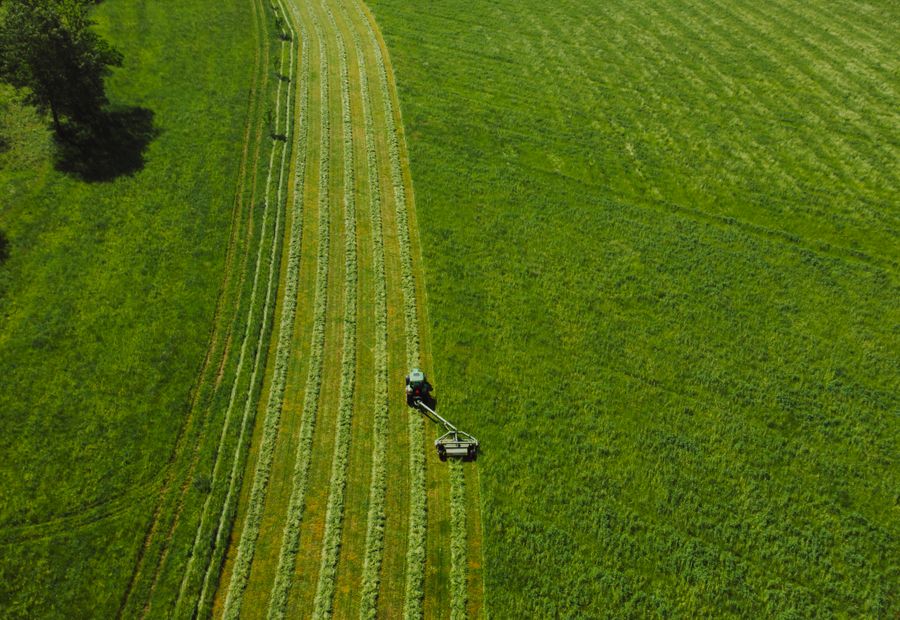
Jonesboro Mulching runs rough-cut mowing and bush hogging on grown up fields, turn rows, ditch banks, easements, road frontage, and idle acreage across Craighead, Poinsett, Greene, and Lawrence counties. This is the recurring job in the delta. Row crop ground carries miles of edge that has to stay open so equipment can turn, water can move, and a field does not lose two rows a year to the tree line. We mow around Jonesboro, Bay, Monette, Lake City, and Caraway.
The tool is a heavy rotary cutter behind a tractor, and on banks and reach work a boom mower. Diamond Mowers builds both the boom mowers and the forestry heads we run, so the same operator moves from a mowing pass to a grinding pass without a second contractor showing up. A cutter shears stalks at deck height and drops them flat. It does not process wood, and it never pretended to. When somebody puts a cutter into a field with four inch volunteer sweetgum in it, the blades break, the gearbox takes the shock, and the stubs left standing will puncture a tractor tire. That is the line between the two services and we will tell you which side your field is on before we quote it.
What Mowing Is For
Keeping open ground open. Grass, ragweed, johnsongrass, blackberry canes, and saplings under a couple of inches all go down in one pass. Fields held for a future build, CRP style idle ground, hunting field edges, and pond dams all fall in this category. So do the strips a landowner has to keep mowed along a road or a utility easement.
The Pass After a Mulching Job
Every mulched tract sprouts. Willow and locust in a ditch line come back from the root and privet comes back with them. Cedar stays dead, so the pressure drops each year. One cutter pass a season through the sprouts is the cheapest maintenance in this business and it protects what you already spent on the clearing.
Ground Conditions
Wet fields wait. A tractor on saturated delta ground makes ruts a disk has to fix later, and no mowing job is worth that. We schedule year round and cut heaviest from spring through fall. (870) 555-0152.
What is the difference between bush hogging and forestry mulching?
A rotary cutter swings blades under a deck and shears everything at one height. It is fast and cheap on grass, weeds, and small saplings. A mulching head grinds wood, takes stems six to eight inches across, and leaves chips instead of laid-over stalks. If you can walk your field, you probably want the cutter. If you cannot see across it for the trees, you want the mulcher.
How big a sapling will a rotary cutter take?
Two inches is comfortable on most cutters and three is the practical ceiling. Past that you are beating the gearbox and leaving punji stakes behind. A field that has gone five or six years is usually still cutter work. A field that has gone fifteen is mulcher work, and a cutter run through it will cost you more in repairs than the mowing saved.
Do you have an acreage minimum?
We have a minimum charge rather than a minimum acreage, and it covers loading, hauling, and unloading the machine. On a small tract close to Jonesboro that minimum is one visit. On a far tract out toward Walnut Ridge or Monette it makes sense to batch several fields into the same trip. Tell us everything you want cut and we will price the trip, not the piece.
How often should a field be mowed?
Once a year holds a field open, and twice a year keeps it looking kept. Ditch banks and easements usually need two passes because they grow wet and fast. After a mulching job, one cutter pass a year is what stops the sprouts from turning back into brush. Miss three years running and you are back to the clearing quote.