Hunting Land, Trails & Food Plots in Jonesboro, AR
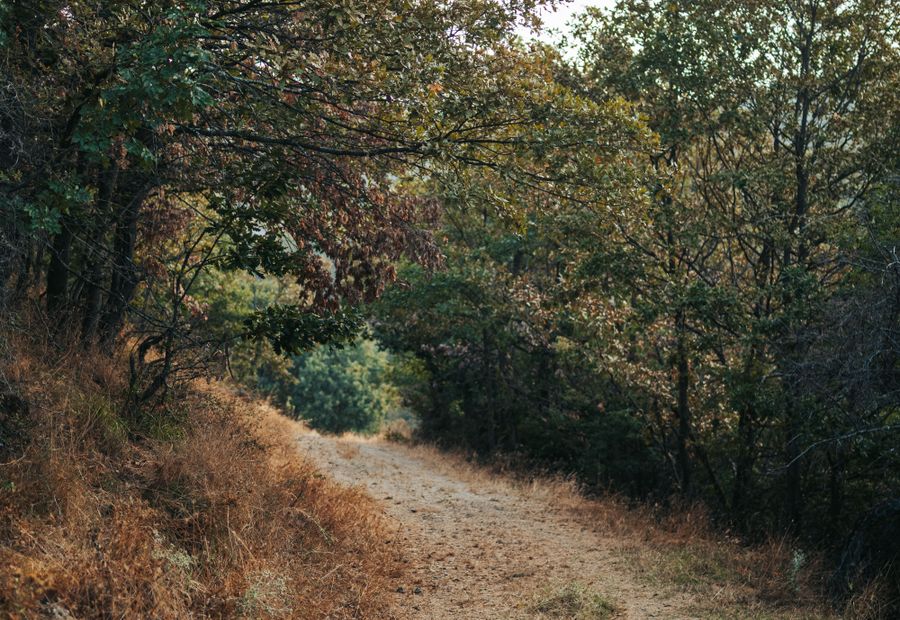
Jonesboro Mulching is a forestry service cutting shooting lanes, ATV and access trails, food plot openings, and bedding edge work on hunting ground across Craighead, Poinsett, Greene, and Mississippi counties. Two kinds of hunting land sit in this market. Bottomland duck ground runs along the St. Francis and the Sunken Lands country near Trumann and Caraway, oak, cypress, and ash with water in it. Deer ground sits up on Crowley's Ridge in oak, hickory, beech, and tuliptree. Both take different work and the same machine.
On ridge deer ground the head matters. A Loftness Battle Ax drum leaves the finest chip we can put on a trail, and a fine chip packs into a riding surface instead of rolling under a tire. Where the ground gets steep off the ridge shoulder a dedicated tracked carrier such as a Prinoth Raptor holds a grade that a skid steer will not. The operator still walks the hill first, because the limit is his judgment and not a brochure figure. Compare that with a dozer trail. A blade cuts a lane by shoving trees and dirt to one side, so you end up riding past a windrow, dodging root ball holes, and watching your loess slide down the cut after the first storm.
Selective Work That Keeps the Property Hunting
The whole point is taking the junk and keeping the value. We leave mast trees standing, open the understory a deer will move through, and cut back the privet without touching the oaks it grew under. Bedding cover stays where you want deer bedded. Edge feathering between a bean field and the timber gives you thick low browse without clearing the transition out.
Food Plots and Access
An opening for a plot goes in clean at grade, ready to lime, disk, and plant. Access trails run from the parking spot to the stand on the downwind side, so you walk in without pushing deer off the field. On duck ground the same head opens a lane to a hole and clears the brush that grew up in a green tree opening after a dry year.
Regrowth on Hunting Ground
Sprouts are not a problem here. They are browse. Blackberry, sweetgum, and locust come back thick and deer eat them. Cedar cut at the ground never returns. A quick pass every second or third season keeps a lane open. (870) 555-0152.
How wide should a shooting lane be?
For a rifle on a ridge, a lane the width of the machine is plenty and it keeps the woods from looking cut. For a bow setup, most hunters take narrower and longer. For a crossing lane on a green field edge, wider reads better and gives you time on a walking deer. Tell the operator where the stand sits and which way the wind runs, and he will cut to that instead of to a number.
When should hunting land work get done?
Late winter into spring, and the earlier the better. The work is done, the ground settles, the sprouts green up, and the deer forget a machine was there long before opening day. Cutting in September puts fresh disturbance in the middle of a pattern you spent a year building. Leaves are also down in winter, so the operator sees the terrain and the lines.
Can you clear near flooded timber and duck ground?
We work the dry edges, the levee tops, the access lanes, and the brush choking a green tree hole. We do not work saturated ground, and standing water is a hard stop for a tracked machine. Late summer and hard winter are the windows when that ground carries a machine. Anything inside a wildlife management area is the agency's call, not ours.
Will there be stumps left in the trail?
No. The head cuts at grade, so a mulched trail rides smooth on a four wheeler and a food plot takes a disk without tearing equipment up. There is also no burn pile sitting in your view. A dozer trail leaves you stumps to dodge and a windrow you cannot see past from a stand.